
Key Points
Selecting the raw materials (topsoil, sand, gravel, certified grass seed/sod/sprigs) that the golf course is to be built from is critical to the long-term viability of the project. Good planning provides opportunities to maximize/integrate environmentally favorable characteristics into the development.
It is therefore imperative that a qualified consulting agronomist (who may or may not become the golf course superintendent) who understands local conditions and supply chains is hired early in the design process.
The materials selected, whether found on-site or imported, should be economically and environmentally sustainable and compatible with the desired playing conditions and maintenance budget.
The agronomist’s primary job is to create the best growing medium for the selected turf grass varieties.

Soil testing is an important early step for understanding the physical characteristics of the site.
Decisions made about materials prior to the initiation of construction will greatly impact the long-term quality and maintainability of the golf course, not to mention its fixed costs. During the design phase, much of the responsibility for materials selection should ideally be in the hands of a qualified consulting agronomist (who may or may not be the current or eventual golf course superintendent). The agronomist will recommend and source specific grass species that are adapted to local conditions and meet the desired playing and maintenance criteria of the golf course architect and the owner. They will then recommend the appropriate tests of on-site and off-site sources of sand, gravel, water, and topsoil to form an economical and sustainable growing medium for those grasses.
A skilled consulting agronomist will help the golf course architect in many ways, so how do you select the right person for the job? When should the consulting agronomist be hired? What are some other aspects of the design that the agronomist can assist with? What are the potential conflicts to consider? Finally, how does a consulting agronomist contribute to the project’s long-term sustainability?
Hiring the Right Agronomist
While there are many qualified and talented agronomists in the golf industry today, it is most likely that there are only a handful who will be well suited for your job. Familiarity and experience working within the golf course’s general climate type (e.g. temperate, tropical, arid, humid, etc.) is an absolute must. Working experience near your golf course’s location is also very helpful for local knowledge about the area’s specific climatic conditions and where to source quality materials most economically. Finally, finding an agronomist who the golf course architect trusts and can work with is extremely important because the golf course architect will need the agronomist’s input to make a number of important decisions toward the end of the design phase and over the duration of the golf course’s construction and grow-in.
Timing
During the design phase, the golf course architect must balance their creative vision for the golf course against the site’s physical constraints in order to satisfy the priorities of the owner within budgetary limits. We have found that the best time to hire a consulting agronomist is when the design is nearly, but not entirely, finalized, so the agronomist can review and perform a “reality check” on the design. The consulting agronomist can help the golf course architect come up with a back-up plan should the anticipated sources of sand, soil, gravel, or water not be readily available or economical. They can also advise on the ideal set-up for the drainage and irrigation systems, given the local conditions. Finally, they may advise on the routing of maintenance service roads, to allow for access of staff and equipment to all areas of the golf course in all conditions.
The site-specific details and contingency plans that the golf course architect and consulting agronomist devise must be known and included in the specifications and cost estimates prior to tendering the bid to contractors. A good consulting agronomist will help alert the golf course architect and owner to all of the potential contingencies, which can help to avoid some major and expensive surprises once the contractor has been hired and construction has begun.
During construction, the consulting agronomist will continue to work with the golf course architect, the contractor, and the irrigation design consultant on any number of tasks, with the ultimate goal being the creation of the best growing conditions throughout the site for the selected grasses.
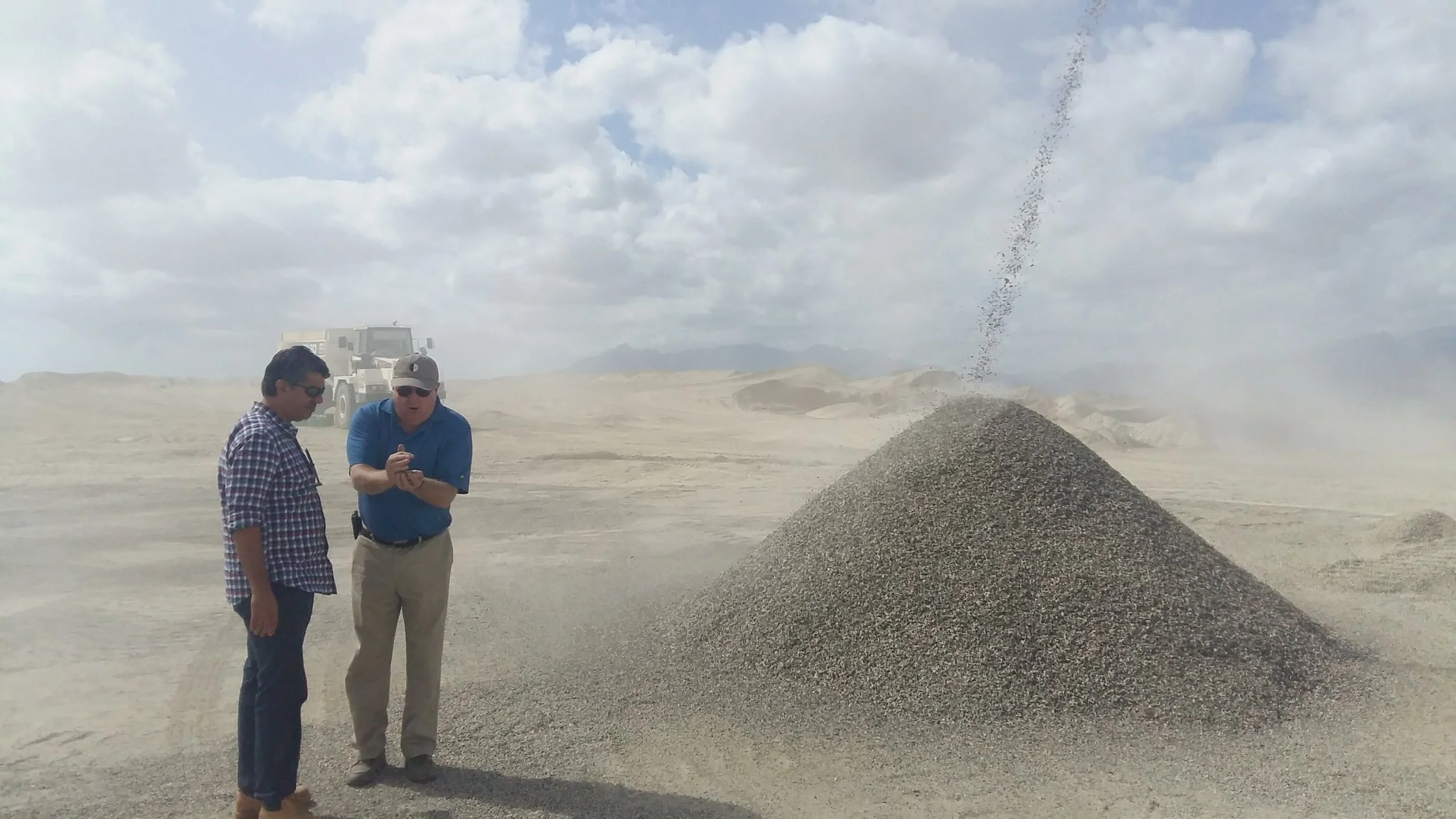
Finding appropriate materials locally is the most sustainable approach.
Maintenance Facility
The establishment of the maintenance team and facility and the procurement of equipment is often overlooked in the early stages of a project. Trained personnel, storage for equipment and materials, and the necessary machinery must all be in place before the first planting because, from that moment onward, the golf course will forever be in maintenance mode. The specialized turf equipment and shop tools must be selected to meet the needs of the site and be ordered well in advance of planting and grow-in. The consulting agronomist can advise on the equipment best suited to the budget and expectations and can also advise on the design of the maintenance building and surrounds to meet the golf course’s functional requirements.
Potential Conflicts
If the consulting agronomist isn’t going to become the new course’s golf course superintendent then another important task will be their participation in the selection of the superintendent. There are many decisions that need to be made both before and after the grass has been planted so it’s very important to clearly define and delineate the roles and responsibilities of the agronomist and superintendent with respect to grow-in and ongoing maintenance.
Sustainability Benefits
A well-qualified consulting agronomist will recognize and advocate for the potentially substantial long-term benefits of:
1) Sourcing construction materials locally, and
2) Choosing the correct turf grass.
Sourcing materials locally, even if slightly more costly up front, will provide valuable support to the neighboring community, which will strengthen the external perception of the golf course and the golf course’s place within that community. In addition, the carbon footprint of transporting the materials to the site can be significantly reduced.
The correct turf grass will provide a better playing surface, will be less prone to disease pressure, and will require fewer expensive inputs (water, fungicide, herbicide, and labor) – leading to significant cost savings over the lifetime of the facility. It’s vital to get this decision right.
Contact Sustain Golf for more information!
We firmly believe that common sense sustainable design, construction, and maintenance practices are the keys to the long-term outlook for the game of golf. We at Sustain Golf aspire to be on the leading edge of applying sustainability concepts to golf course design and construction.
We would be happy to answer any questions that you might have about sustainable golf course design, maintenance, and construction. Visit us at www.sustaingolf.com or contact us at the following email address for more information: matt@sustaingolf.com.
Up Next:
Step 4: The Role of an Irrigation Design Consultant
References:
Golf Course Superintendents Association of America. (2023). Best Management Practices. Planning Guide & Template. GCSAA Foundation. https://www.gcsaa.org/docs/default-source/environment/bmp-planning-guide_2023_print_final.pdf
Photo Credits: Jon Scott Golf Consulting LLC
Peer Review:
Jon Scott, President, Jon Scott Golf Consulting LLC; former Vice President of Agronomic Services, Nicklaus Design
Steve Okula, President, SO Green Golf
Dr. Keith Duff, former UK government wildlife agency Chief Scientist, current Golf Environment Consultant